Explore sustainable cosmetic manufacturing, including eco-friendly ingredients, recyclable packaging, and energy-efficient production shaping the future of the beauty industry.
Discover how AI and data are transforming cosmetic product development. Learn how beauty brands accelerate innovation, reduce time to market, and create better skincare products.
Cross-border e-commerce is transforming global trade as brands increasingly sell products directly to international consumers. This shift is forcing companies to redesign supply chains to support faster delivery, flexible manufacturing, and global fulfillment networks.
Functional beauty products are becoming one of the fastest-growing segments in the global cosmetics industry. By combining cosmetic care with dermatological science, brands are developing high-performance products designed to deliver measurable skin benefits.
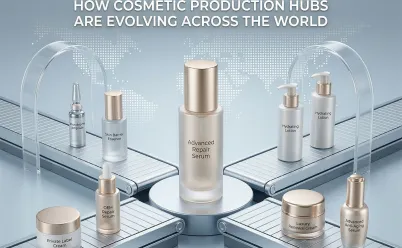
The global cosmetics industry is entering a new era of manufacturing diversification. Major beauty production hubs are emerging across Asia, Europe, and North America as brands seek innovation, cost efficiency, and supply chain resilience.
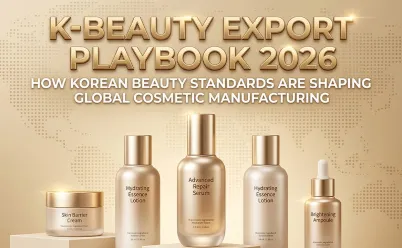
K-beauty has become one of the most influential forces in the global cosmetic industry. Korean skincare innovation, advanced cosmetic formulation, and strong OEM manufacturing ecosystems are shaping how beauty brands develop and export products to international markets.
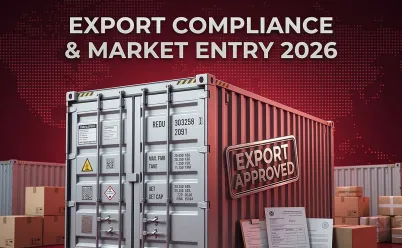
Expanding into international markets requires more than manufacturing capacity. Companies must understand export compliance, product certification, labeling standards, and logistics requirements before launching products globally.
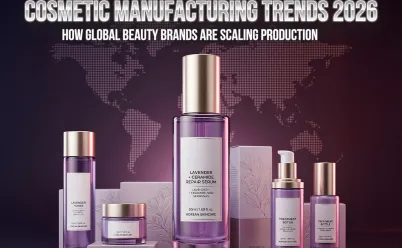
The global beauty industry continues to grow rapidly as skincare innovation, premium formulations, and international demand drive the expansion of cosmetic manufacturing networks worldwide.
OEM and private label production are becoming key strategies for brands seeking to scale their products across global markets.
Economic sanctions are becoming one of the most powerful forces reshaping global trade. In 2026, sanctions imposed on countries such as Russia, Iran, and others are forcing businesses to rethink supply chains, trade routes, and global sourcing strategies.
Global supply chains are undergoing a major transformation as companies diversify manufacturing beyond China. In 2026, businesses are adopting new sourcing strategies to reduce geopolitical risks, improve supply chain resilience, and access emerging manufacturing hubs.